


Michigan Condo & HOA Assessment Collections: A Board’s Step-by-Step Playbook



In Michigan, condominium and HOA boards can usually collect unpaid assessments effectively when they follow a consistent, documented process: accurate ledgers, clear notice, a written collections policy, timely escalation, and disciplined decision-making around liens, payment plans, and enforcement. The key is to treat collections as governance—consistent and defensible—not as a personal dispute with an owner.
Key Takeaways
- Collections works best when the board follows one written policy—every time.
- Your biggest risk isn’t “being tough”—it’s being inconsistent or sloppy with documentation.
- A predictable escalation path (notice → demand → lien/next step) reduces drama and increases recovery.
- Boards should separate business decisions (budgets/reserves) from personal conflict with owners.
- The fastest way to reduce disputes is to publish the policy and stick to it.
Board-Level Reality Check
Most boards don’t “choose” to become debt collectors. You’re volunteers trying to keep the community running, then a handful of owners stop paying, and suddenly your reserve study, roof replacement, and landscaping contract are all under pressure. The worst part: if your process isn’t consistent, the association can end up spending more in legal fees arguing about how it collected than about what is owed.
Step 1: Adopt a Written Collections Policy the Board Can Defend
A written policy is your “seatbelt”. It keeps the board consistent, fair, and harder to attack.
A board collections policy should clearly state:
- When assessments are due and when an account is considered delinquent
- What happens at day 15/30/45/60/90 (or your chosen timeline)
- Late fees, interest, and administrative charges (if authorized)
- When accounts are turned over to counsel/collections
- Whether payment plans are allowed and on what terms
- When the board will consider lien/enforcement options
- How disputes are handled (ledger questions vs. “I’m mad at the board”)
Board mistake to avoid: “We handle it case-by-case.” That sounds fair, but it often becomes inconsistent. And inconsistency is what can get boards into trouble.
Implementation tip: Adopt the policy by resolution and keep it with your governance documents. Publish a short “owner-facing summary” so it doesn’t feel like a surprise.
Step 2: Fix the #1 Hidden Problem—Your Ledger and Paper Trail
If the ledger is messy, every collections step becomes slower, riskier, and more expensive.
Before you escalate anything, confirm:
- The owner’s correct legal name and mailing address on file
- The assessment schedule (and any approved increases/special assessments)
- What was billed, what was paid, and how payments were applied
- Whether credits, waivers, or adjustments exist (and who approved them)
- Whether the association followed its own notice requirements
Board mistake to avoid: Sending a “demand” when the ledger has obvious holes. It undermines credibility and invites disputes.
Treat your delinquency list like financial statements: review it monthly, not “whenever it gets bad.”
Step 3: Use a Simple Escalation Timeline (and Don’t Negotiate Against Yourself)
Collections works when the timeline is predictable and boring.
Here’s a board-friendly model (adjust to your documents and management practices):
- Day 1–15: Courtesy reminder / statement
- Day 30: First delinquency notice (clear amount + due date)
- Day 45–60: Final notice + intent to turn over to counsel/collections
- Day 60–90: Turnover + formal demand + board decision point on next leverage step
- 90+ days: Consider lien/enforcement track + payment plan standards
Board mistake to avoid: Re-starting the clock every time the owner calls angry. Your process should be stable even when emotions are not.
Step 4: Payment Plans
Payment plans can increase recovery, but only if they are written, consistent, and enforceable.
A good board payment plan typically includes:
- A signed agreement (not informal emails)
- Current assessments must stay current (autopay is ideal)
- A fixed monthly catch-up amount
- A clear default clause (missed payment = immediate escalation)
- No waiver of lien/enforcement rights unless the board affirmatively decides otherwise
Step 5: Know Your Leverage Options (and When Each Makes Sense)
Common collection methods:
- Formal demand letter (often the first “serious” step)
- Lien
- Lawsuit for money judgment/ foreclosure of the lien
- Foreclosure options (when permitted and economically sensible)
- Post-judgment tools (garnishment, etc., if a judgment is obtained)
How boards should decide:
- Amount owed (small balance vs. meaningful arrearage)
- Owner behavior (communicative + consistent vs. chronic avoidance)
- Equity and collectability (is there a realistic path to recovery?)
- Community impact (fairness to paying owners, deterrence, precedent)
Board mistake to avoid: Threatening the “nuclear option” too early, then backing down. If you escalate, do it thoughtfully, and be prepared to follow through.
Board Checklist
- Adopt a written collections policy (resolution + owner summary).
- Review delinquency report monthly (board visibility matters).
- Audit ledger accuracy before escalation.
- Standardize notices and keep proof of sending.
- Establish payment plan standards (autopay + default clause).
- Decide a clear “turnover threshold” (days delinquent and/or amount).
- Separate ledger disputes from governance disputes (two tracks).
- Track attorney/collection costs as you go.
- Document board decisions in minutes.
- Revisit policy annually based on results.
When to Call a Michigan Condo/HOA Lawyer
Call counsel when:
- Your delinquency rate is rising and you need a system, not one-off letters.
- An owner claims selective enforcement, discrimination, or “the board can’t do this.”
- The owner demands a hearing, threatens suit, or escalates publicly.
- The account is large enough that a lien/enforcement decision has real risk.
- You’re seeing repeated hardship claims with inconsistent documentation.
- You have a disputed ownership/tenant situation, probate, bankruptcy, or title confusion.
Frequently Asked Questions About Condo/HOA Collections
Generally, no. Boards can allow limited discretion for hardship, but the backbone should be a written policy applied consistently. Consistency reduces claims of favoritism and makes collections predictable, which also helps budgeting.
Process inconsistency. When owners see different treatment for similar delinquencies (or the board can’t clearly explain its steps) collections becomes personal. A clear timeline plus clean documentation makes collections boring (which is exactly what you want).
Often yes, if structured. The best plans keep the owner current going forward while curing the arrearage, with a written agreement and a clear default clause. Plans fail when they’re informal, indefinite, or reset every time an owner misses.
When your policy says so. This is typically based on days delinquent and/or amount owed. Turning accounts over earlier can sometimes reduce overall costs by preventing arrearages from snowballing, but boards should set a consistent threshold.
Often the answer depends on your governing documents. Many associations have authority to recover collection costs, but boards should confirm the exact language and follow required procedures.
Basic account communication is often fine, but once the account escalates—or the owner becomes hostile—boards should avoid off-the-cuff emails and route communication through management and/or counsel. Consistent messaging prevents problems later.
Boards should treat this carefully. In many associations, assessments are still owed even when an owner is unhappy, but the correct response depends on the documents and the nature of the dispute. Separate the assessment obligation track from the complaint track.
Use one written policy, apply it consistently, and document board decisions. If you make an exception, document the objective reason and make sure exceptions don’t swallow the rule.
Contact Us
If delinquencies are threatening your budget or reserves, schedule a focused Michigan condo/HOA collections strategy review. We’ll review your documents, your current delinquency profile, and recommend a clear escalation track your board can follow consistently.
This article provides general Michigan-oriented information for association boards and is not legal advice. Associations should consult counsel about their specific documents, facts, and enforcement options.
About the Author
Richard M. Delonis is a Michigan condominium and HOA lawyer at Szura & Delonis, PLC in Southfield (Metro Detroit). He advises association boards and community association managers on governance, rule enforcement, assessment collections, document amendments, and risk management, with a practical focus on helping boards reduce disputes and run defensible, well-documented processes.
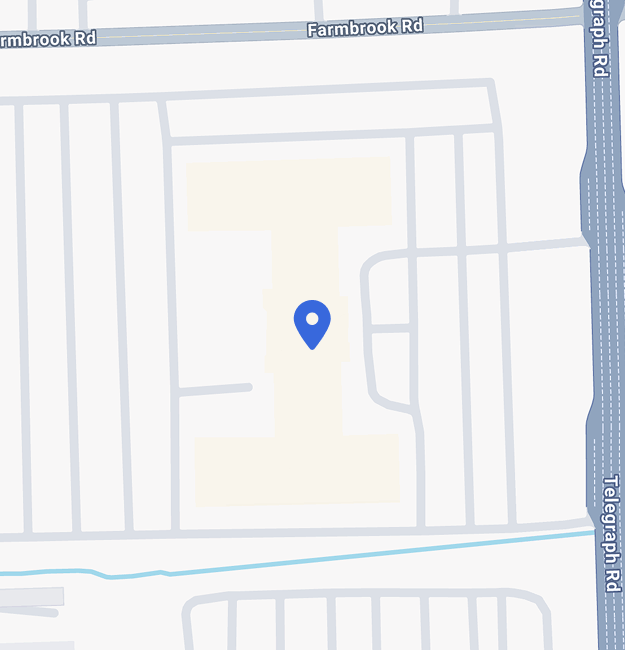
Address

Contact Us
Fill out the form or call us at (248) 716-3600 to reach us.
We Accept the Following Payment Solutions