


Michigan Medical License Defense: Responding to a LARA Administrative Complaint


When a Michigan doctor, pharmacist or other healthcare professional receives a call or letter from the Department of Licensing and Regulatory Affairs (LARA), everything can change immediately. As healthcare attorneys focused on Michigan medical license defense, we’ve seen firsthand how unsettling this process can be — but I’ve also helped countless physicians, nurses, and other licensed professionals navigate it successfully. If you’re facing a LARA administrative complaint, the most important thing to remember is that you have rights and options. Here’s how the process works and what an experienced medical license defense lawyer can do to safeguard your career
Step 1: The LARA Investigation
The process often begins when LARA’s Bureau of Professional Licensing (BPL) receives a complaint — sometimes from a patient, colleague, hospital, or insurance company. That report starts an investigation, during which state investigators may request records, interview witnesses or attempt to interview you directly.
At this early stage, mistakes are common. It may feel natural to respond directly to the investigator, but even a harmless, well-meaning or incomplete statement may be used against you later. Our first role as your legal counsel is to step in immediately — to manage communications, understand how those communications affect the complaint, and control the flow of information so that we can protect you from unnecessary exposure.
Step 2: The Administrative Complaint
If LARA believes the investigation uncovered a violation of the Michigan Public Health Code, LARA or the Michigan Attorney General’s office will issue an Administrative Complaint. This is the formal document that sets out the specific allegations and Michigan Public Health Code rules that were allegedly violated.
From the day that complaint is served, a license holder has 30 days to file a written answer, request a compliance conference and/or demand an administrative hearing. Missing this deadline can result in serve penalties such as a default judgment leading to disciplinary action. We will carefully review the complaint’s language, examining both the factual accuracy and the legal support for each charge. We will then discuss and prepare a strategic response that protects your rights and seeks the best path forward.
Step 3: The Compliance Conference
Once the answer is filed, we may decide to request a compliance conference — essentially a settlement discussion that happens before the case proceeds to a full hearing. This is an opportunity to provide your side of the story. A representative from LARA or the Attorney General’s office, and sometimes a member (conferee) of the licensing board may attend. These are typically done over the phone or video conference.
This meeting is a crucial opportunity to present mitigating evidence, clarify misunderstandings, and explore resolution options. With thorough preparation, we have been able to negotiate outcomes such as dismissal, reduced sanctions, or agreements that allow my clients to continue practicing under reasonable conditions.
Step 4: Administrative Hearing
If the case isn’t resolved through negotiation, it moves to a formal administrative hearing before an Administrative Law Judge (ALJ). This stage is very similar to a court trial — witnesses testify, evidence is introduced, and both sides make legal arguments during the hearing and through briefs.
In the courtroom, we present a robust defense — using expert testimony, medical records, and procedural arguments to show that there was no violation of the Michigan Public Health Code, professional standards were satisfied or that the alleged violation doesn’t warrant discipline. The ALJ then issues a Proposal for Decision (PFD), we provide a response the PFD and then it goes to the appropriate licensing board to either approve or deny the proposal.
Step 5: Appeals and Reinstatement
If discipline is imposed, you still have options. You can appeal the board’s decision to the Michigan Court of Appeals, or, if necessary, petition for reinstatement of your license after fulfilling the required conditions. We work with providers throughout this process to demonstrate remediation, continuing education, and compliance with prior orders — steps that help rebuild professional standing.
Protecting Your License and Your Future
Facing a LARA license investigation or Administrative Complaint can be an intimidating experience, but early and well-informed action makes all the difference. As attorneys who focus on Michigan medical license defense, our goal is to ensure that one complaint doesn’t erase years of hard work and dedication.
If you’ve received a notice from LARA or the Board of Medicine, don’t wait to see what happens next. Contact an experienced healthcare defense attorney to preserve your rights and take control of the process before it escalates.

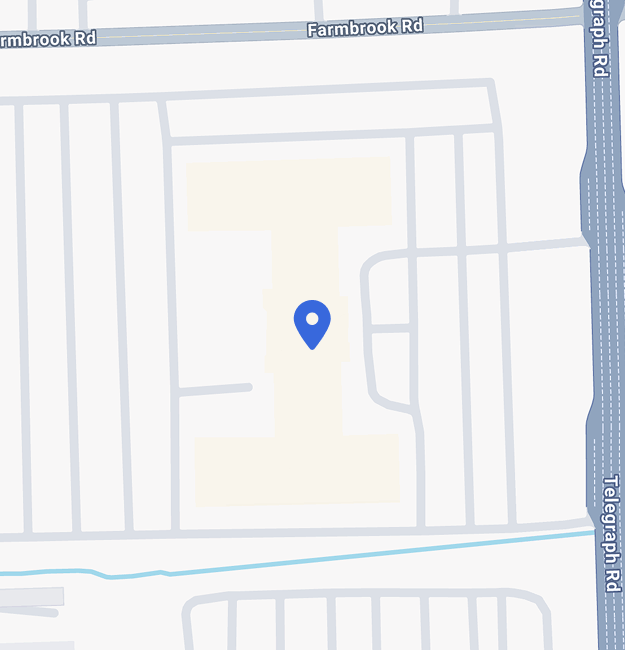
Address

Contact Us
Fill out the form or call us at (248) 716-3600 to reach us.
We Accept the Following Payment Solutions